
Discover Vijayanagara District
A land where history, heritage, culture and development come together. Vijayanagara District is home to the magnificent heritage of Hampi and the glorious legacy of one of South India's greatest empires.
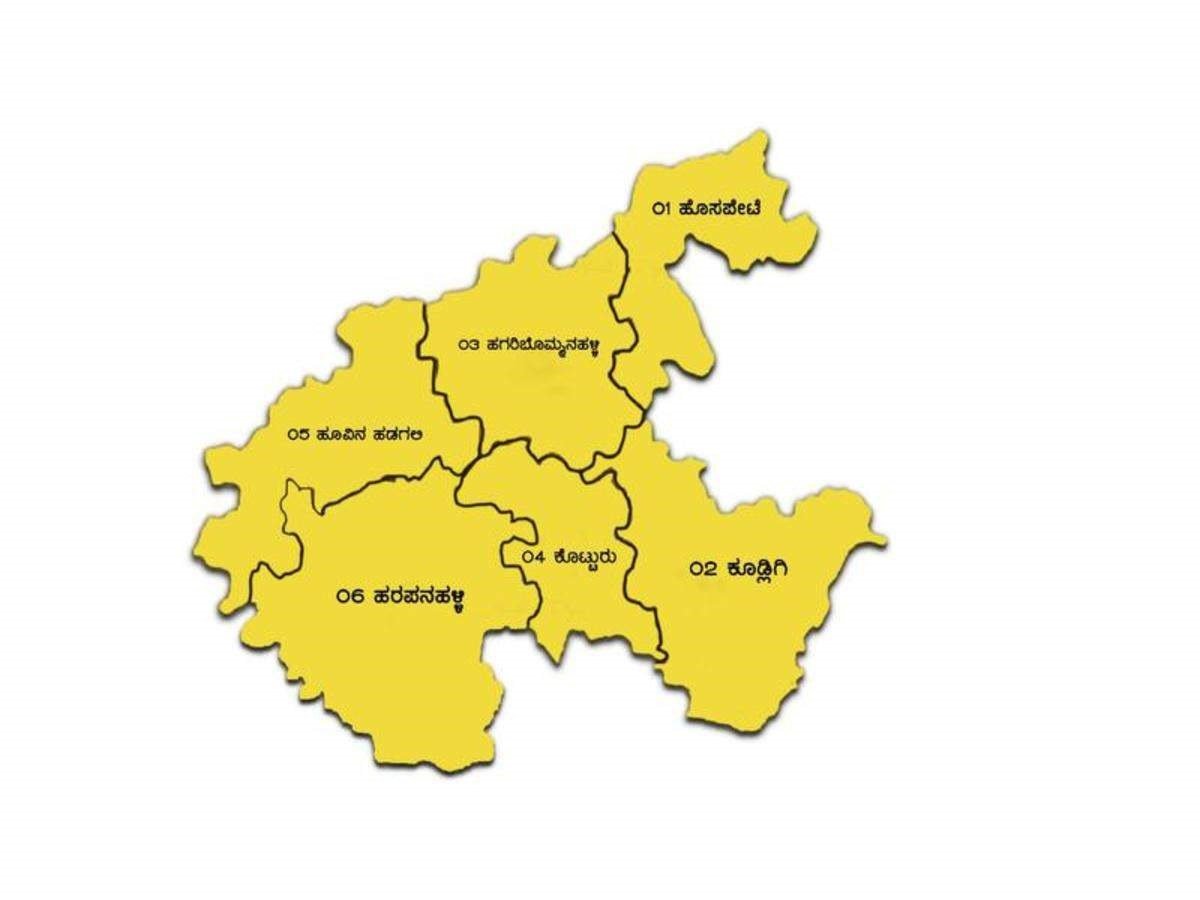
District Overview
Vijayanagara District is one of Karnataka's most historically significant and culturally rich districts. Headquartered at Hosapete, the district is internationally recognised for Hampi, the historic capital of the Vijayanagara Empire and a UNESCO World Heritage destination.
The district represents a remarkable combination of ancient heritage, tourism, agriculture, natural landscapes and modern development. The Tungabhadra River, magnificent monuments, rocky landscapes, temples and cultural traditions contribute to the unique identity of the region.
Vijayanagara District was formed in 2020 after being carved out of the erstwhile Ballari district, becoming Karnataka's 31st district.
Vijayanagara at a Glance
A quick overview of the administrative and demographic profile of the district.
13,53,628
Population
2
Revenue Divisions
6
Taluks
336
Villages
District Towns & Urban Centres
Vijayanagara District has important towns and administrative centres that support tourism, commerce, agriculture and regional development.

Hosapete
The district headquarters and one of the most important urban centres of Vijayanagara. Hosapete serves as a major gateway to the world-famous heritage destination of Hampi.
Hagaribommanahalli
An important administrative and regional centre supporting the surrounding rural communities and agricultural activities.
Hadagali
A significant town in the district known for its regional importance, local economy and connection with surrounding villages.

Kudligi
An important taluk centre contributing to the administrative, agricultural and social development of the district.

Harapanahalli
A major administrative centre and one of the revenue subdivision areas of Vijayanagara District.

Kottur
An important town and taluk centre contributing to the district's administrative and regional development.
Population & Demographics
An overview based on the district's officially published 2011 Census figures.
13,53,628
Total Population
District Demographic Overview
District Statistics
Key administrative and local governance statistics of Vijayanagara District.
18
Revenue Mandals / Hoblis
137
Gram Panchayats
8
Municipalities
1
Municipal Corporation
336
Villages
6
Taluks
Area & Geographical Profile
5,644 Sq. Km
District Area
Vijayanagara District is located in Karnataka and forms an important part of the Kalyana Karnataka region. The district is characterised by rocky landscapes, agricultural land, river systems and historically important settlements.
The Tungabhadra River and the surrounding natural landscape have played an important role in the development of agriculture, settlements, heritage and tourism across the region.

Previous History
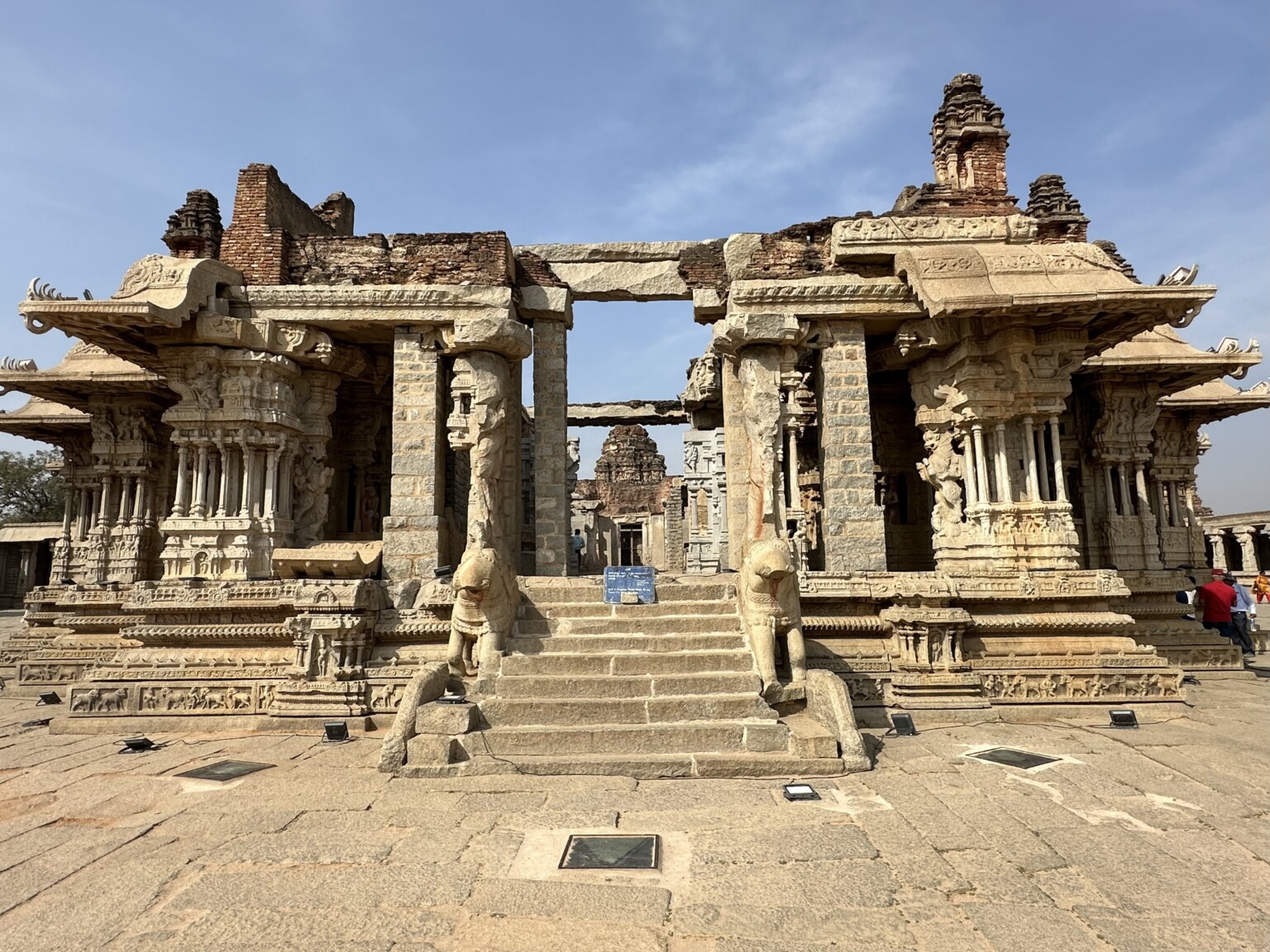
The history of Vijayanagara is closely connected with one of the greatest empires in Indian history — the Vijayanagara Empire. Founded in the 14th century, the empire became a powerful centre of political strength, architecture, trade, culture and learning in South India.
The historic city of Vijayanagara, now represented by the magnificent ruins of Hampi, served as the capital of this great empire. Its temples, markets, royal structures and monuments continue to attract visitors and researchers from around the world.
1336 – Foundation of the Vijayanagara Empire
The empire was founded by Harihara and Bukka and developed into one of the most powerful kingdoms in South India.
Golden Age of Heritage & Culture
Vijayanagara became internationally known for its architecture, temples, trade, literature and cultural achievements.
1565 – Battle of Talikota
The empire suffered a major defeat, marking the beginning of the decline of the historic capital.
2020 – Formation of Vijayanagara District
Vijayanagara was established as a separate district after being carved out of the erstwhile Ballari district.
Revenue Administration
The district's revenue administration is organised through subdivisions, taluks and local revenue offices to support governance and public services.
🏛️ Hosapete Revenue Subdivision
The Hosapete subdivision forms an important part of the district's administrative and revenue structure.
- Hosapete Taluk
- Kudligi Taluk
- Hagaribommanahalli Taluk
🏛️ Harapanahalli Revenue Subdivision
The Harapanahalli subdivision supports revenue administration and development activities across its associated taluks.
- Harapanahalli Taluk
- Hadagali Taluk
- Kottur Taluk